First published in 1939, And Then There Were None is often described as the best-selling mystery novel ever written, with sales usually estimated at more than 100 million copies. Reread it as a grown-up and it is easy to see why: it is short, ruthless and almost perfectly built.
The set-up
Ten people who have never met accept invitations to a house on an island off the coast of Devon. Each has been lured by a different pretext: a job, a holiday, an old acquaintance. Their mysterious host, a Mr U. N. Owen, never appears. After dinner on the first evening a recorded voice accuses every guest of having caused a death and escaped justice. Then the guests begin to die, one by one, in the manner of the nursery rhyme framed in each bedroom, and with each death a little figure disappears from the dining table.
The book was originally published in Britain under a different title, which modern editions have replaced. Today's editions use And Then There Were None throughout and call the setting Soldier Island.
Why it still works
- No detective. There is no Poirot or Miss Marple to reassure you. The guests have to work it out themselves, and they suspect each other.
- A ticking clock. The rhyme tells you exactly how many must die. You know the structure and still cannot predict the next step.
- Moral weight. Christie asks what happens to people who have done something terrible and never paid for it. It is darker than her cosier books.
The island behind the island
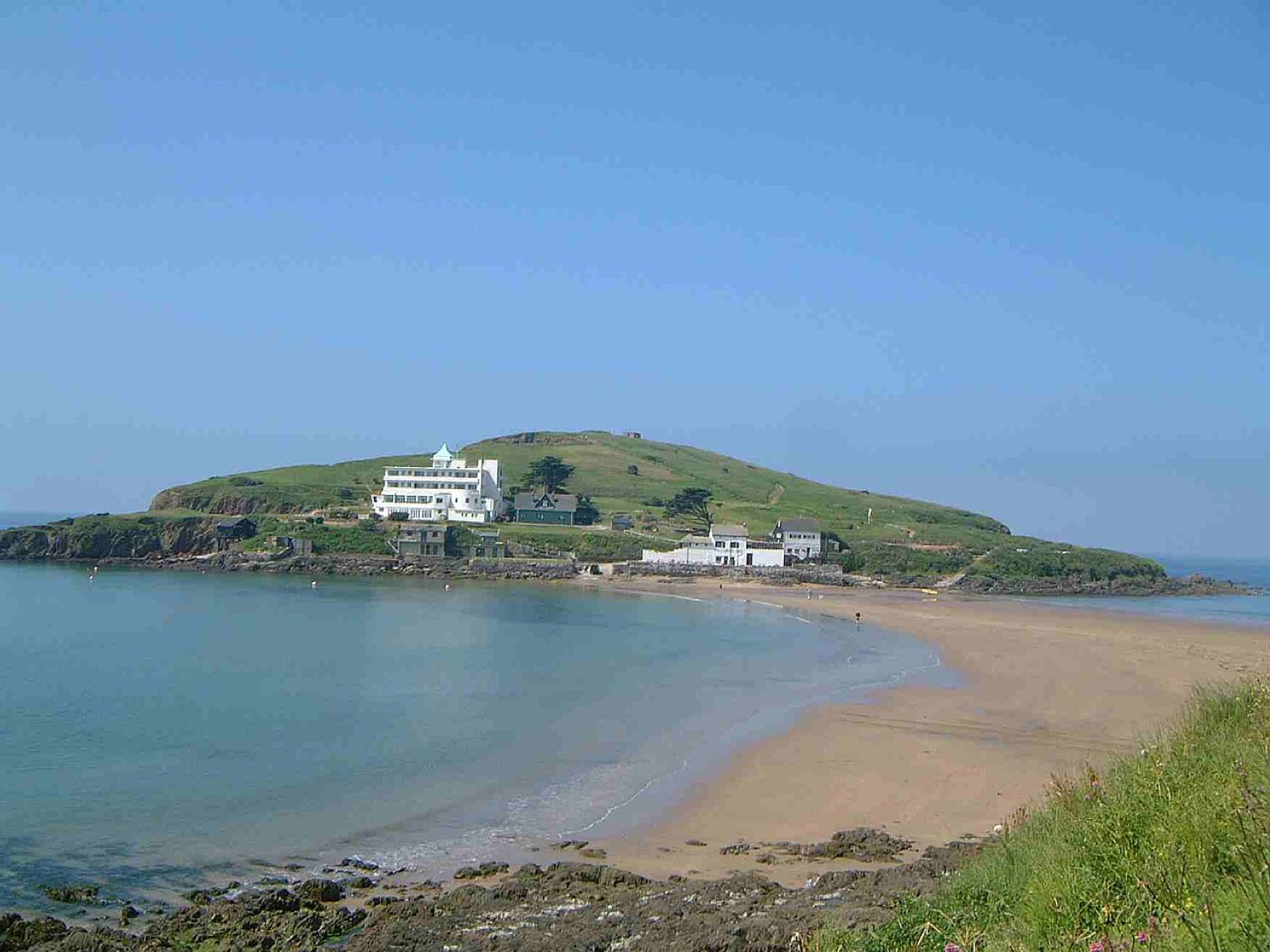
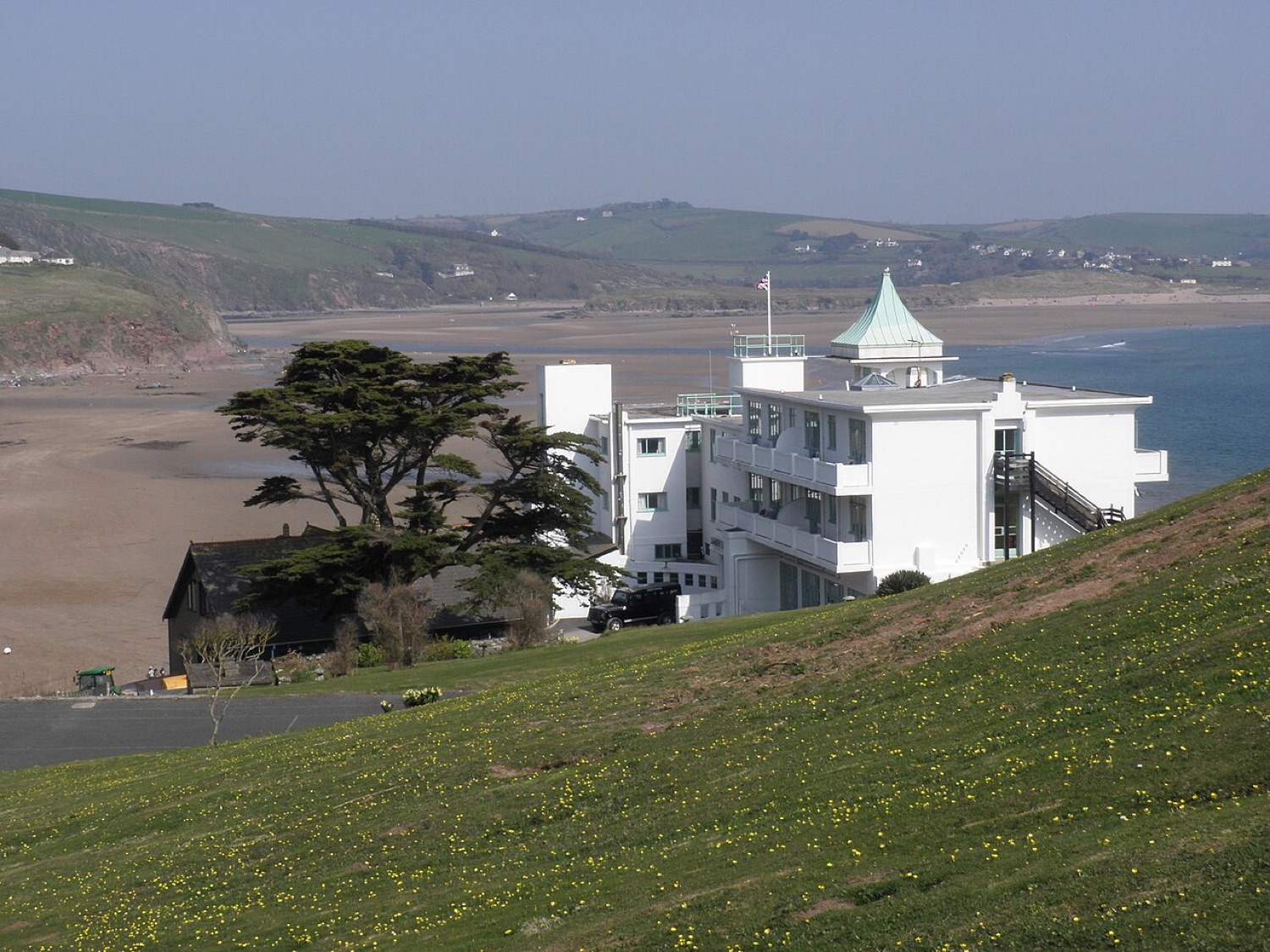
Burgh Island, a tidal island off Bigbury-on-Sea in south Devon, is widely cited as the inspiration for the setting. At high tide it is cut off from the mainland, and its 1930s hotel, where Christie is known to have stayed, still trades on the connection. Whether or not it was the exact model, it captures the feeling of the book: a glamorous house you cannot leave when the sea comes in.
Christie at the card table
If you finish this and want more, try Cards on the Table (1936), Christie's most game-obsessed mystery. A flamboyant host invites four detectives and four people he believes are murderers to dinner, seats the suspects at a bridge table, and is found stabbed before the evening is over. Poirot solves it partly by studying the bridge scorecards, reading each player's character from how they bid and how much they risk. It is a lovely reminder that card games reveal people. Anyone who has watched friends at a poker table knows the cautious player, the bluffer and the one who cannot fold.
That idea makes a brilliant grown-ups' evening. Host a whodunit night where everyone reads the same Christie, then bet a stack of chips on who they think did it before the final chapter is read aloud. Our guide to hosting a poker night at home covers chips, rules and real-food snacks, and the same set-up works for a mystery night.
At a glance
- Author
- Agatha Christie
- First published
- 1939
- Length
- Short; around 250 pages in most editions
- Setting
- An island off the Devon coast
- Good for
- Readers new to Christie, book clubs, a rainy weekend
- Our rating
- 5 out of 5
Who should read it
Everyone who enjoys a mystery and has somehow never read it. It is gripping enough for a reluctant reader and clever enough for someone who has read every crime novel on the shelf. Note that it deals with murder and guilt throughout, so it is a book for grown-ups and older teens rather than a family read-aloud.
Next on the pile: a modern domestic thriller, The Marriage Lie, or the gambling novels in our casino thrillers and poker books roundup.