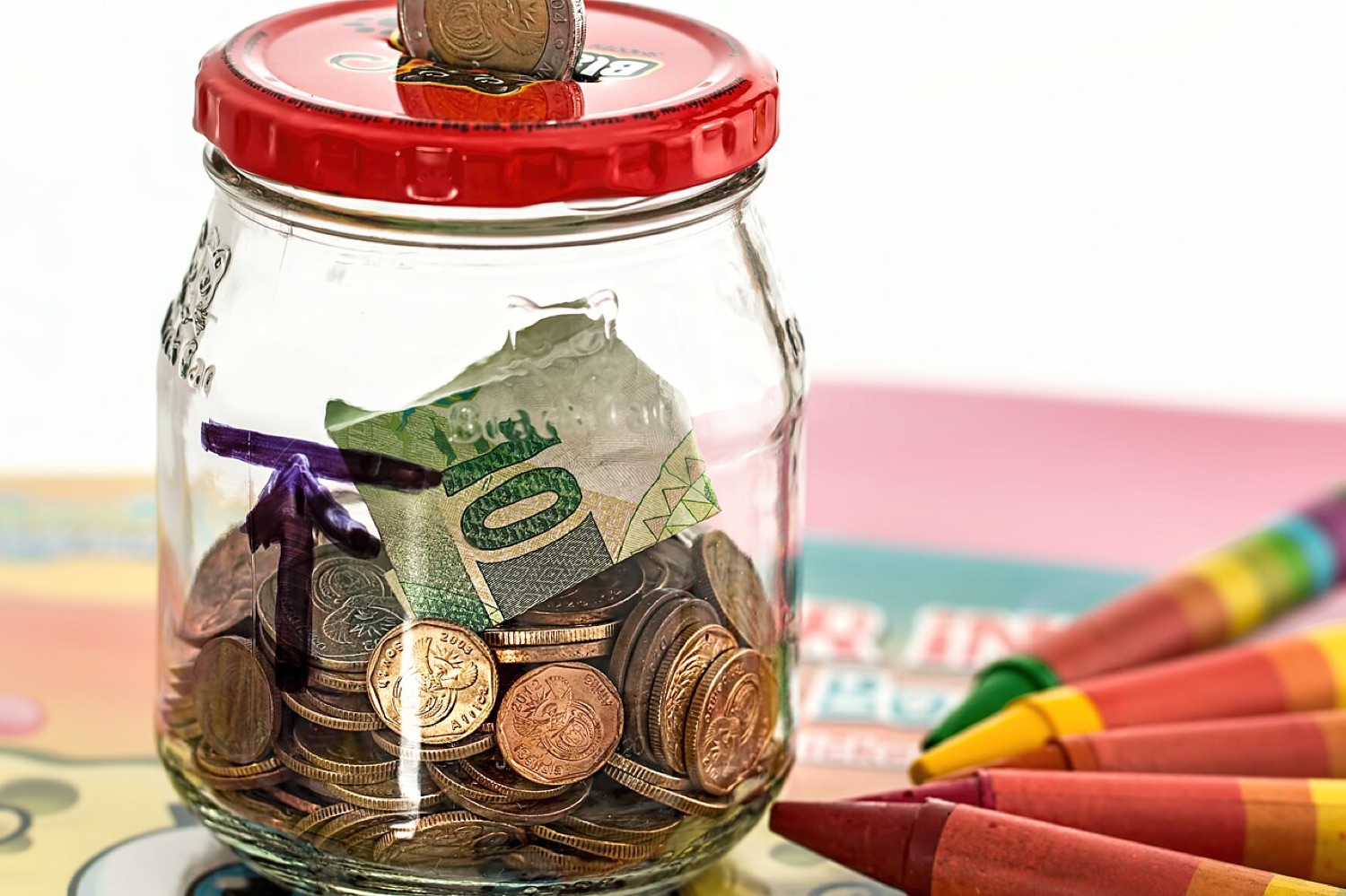
The secret to enjoying a casino is deciding what it will cost before you walk in. Treat the money as the price of an evening's entertainment, like theatre tickets, and the night is fun whatever the cards do.
Step 1: build a separate fund
Open a separate savings account or keep an envelope just for the trip. Pay into it a fixed amount each month from your fun-money line, which we explain in our plan to organize your family budget. Travel, hotel and food come from the trip fund; the gambling budget is a smaller, separate pot.
Step 2: split the gambling budget into sessions
| Weekend gambling budget | Sessions | Per session |
|---|---|---|
| $200 | 4 | $50 |
| $400 | 4 | $100 |
| $600 | 5 | $120 |
Take only one session's money to the floor at a time. When it is gone, the session is over: go to dinner, the pool or a show.
Step 3: understand the house edge
Every casino game is designed so that, over time, the house keeps a percentage of the money wagered. That percentage is called the house edge. It tells you roughly what an evening will cost on average, not what will happen on any one night.
House edge in plain English
- Blackjack, basic strategy
- Often around 0.5 to 1%, depending on the rules at the table
- Baccarat, banker bet
- About 1.06%
- Craps, pass line
- About 1.41%
- European roulette (one zero)
- About 2.7%
- American roulette (double zero)
- About 5.26%
- Slot machines
- Varies widely; usually higher than the best table games
A lower edge means your money tends to last longer. The speed of the game matters too: a fast game with a small edge can cost as much per hour as a slow game with a bigger one.
Step 4: set a loss limit and a win goal
- Loss limit: the session budget. Never top it up from the trip fund or a card.
- Win goal: if you double your session money, put the original amount away and play only with the winnings.
- Time limit: set an alarm. Casinos have no clocks for a reason.
Step 5: get value back
Join the casino's free players' club and use the card whenever you play. Comps such as meal credits or room discounts are calculated from your play, so you may as well collect them. Never chase comps by playing more than you planned.
Ready to plan the trip? See our guides to Las Vegas and Atlantic City, or keep it local with a poker night at home.